Beyond the Sleeve: How Tactile Packaging Design Is Transforming Modern Cafe Culture and Retail Aesthetics

Modern cafe culture has evolved far beyond the chemical extraction of roasted coffee beans. For the urban consumer, coffee represents a curated ritual—a mobile, sensory pause in a hyper-digital workday. While digital feeds inundate consumers with frictionless visual assets, retail packaging offers something rare: an inescapable tactile experience.
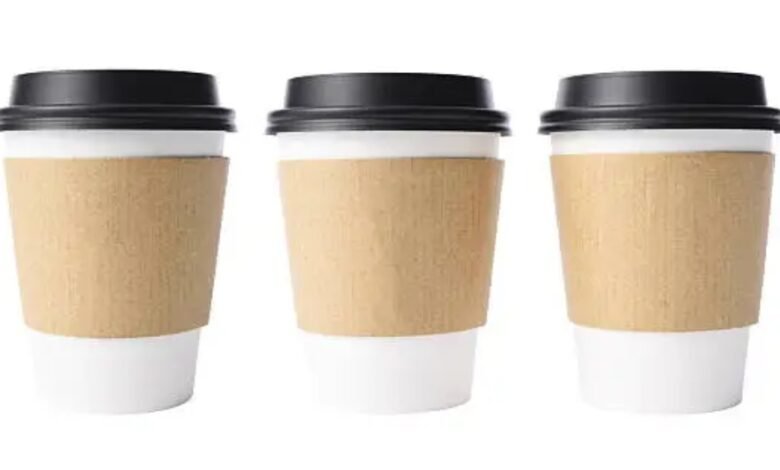
For years, the takeaway beverage experience was compromised by functional compromises: flimsy single-wall cups, scalding sidewalls, and ill-fitting brown kraft sleeves that rotated loosely and obscured brand artwork. Today, an aesthetic and structural transformation is underway, establishing the disposable cup as a flagship touchpoint in lifestyle retail.
The Sensory Shift in Takeaway Coffee: Why Touch Outweighs Sight
The Disposable Cup as a Lifestyle Accessory
The contemporary urban commuter carries their morning beverage as a visible extension of personal taste. Paired with minimalist apparel and bespoke accessories, the takeaway coffee cup commands significant public transit dwell time.
When a customer holds a cup:
- The Primacy of Haptic Perception: Cognitive neuroscience confirms that physical touch directly anchors perceived product value. A cup that flexes under minimal hand pressure subconsciously telegraphs inferior coffee extraction.
- The Streetwear Effect: Independent micro-roasters and design-led lifestyle brands now treat cups with the same creative rigor as limited-edition editorial prints, relying on color palettes and physical finish to communicate luxury.
The Ergonomics of Grip and Heat Dissipation
Traditional corrugated cardboard cup sleeves represent an outdated design bandage. From an ergonomic and functional perspective, secondary sleeves introduce multiple customer friction points:
- Tactile Instability: Sleeves slide vertically during transit, tilting cups and precipitating liquid spills through the lid aperture.
- Aesthetic Erasure: Standard 3-inch kraft sleeves cover more than half of the container’s surface, severing custom typographical compositions and brand marks.
- Waste Inefficiency: Managing separate inventories for cups and sleeves complicates barista workflow during peak morning service hours.
Structural Innovations: The Rise of Ripple Wall and 3D Embossed Surfaces
The Thermal Chamber Effect
To eliminate the clumsy accessory sleeve without exposing customers’ hands to boiling liquids, packaging engineers developed multi-wall container architectures featuring internal micro-cavities.
For modern coffee purveyors, customer experience falters the moment heat transfers painfully to the fingertips or a separate sleeve slips out of alignment. Advanced production frameworks engineered by custom paper container manufacturerYoonpak solve this through multi-layer ripple and double-wall configurations with internal air chambers. This structural innovation retains beverage temperature while creating a sleek, sleeve-free canvas that preserves 100% of the brand’s bespoke visual surface.
The resulting thermal chamber acts as a micro-insulator, keeping the liquid core above 65°C for sustained flavor balance while insulating the outer contact board below 40°C.
Tactile Typography and CMYK Precision
Modern structural packaging incorporates tactile depth directly into paperboard engineering:
- 3D Multi-Level Embossing: Utilizing precision CNC-milled male/female embossing dies, converters press intricate vector geometries and serif typography upward from the substrate, creating a sculptural finish that users register immediately by touch.
- Textured Micro-Fluting: Precision ripple-wall geometries deliver vertical or wave-like ridges that maximize tactile friction, completely eliminating hand slippage in wet or cold weather.
- Ultra-Matte Soft-Touch Coatings: Combining specialized dispersion finishes with high-register flexographic printing eliminates glossy industrial reflections, replacing them with a warm, velvety paper finish.
The “Cupvertising” Phenomenon: Turning Transit Hours into Free Impressions
Social Media Aesthetics and Unboxing on the Go
The physical container is the focal point of the modern cafe unboxing ritual. Mobile-first consumers regularly capture top-down flat-lays of their coffee, pastries, and personal tech items:
- The “Holding Shot” Mechanic: Point-of-view photography showcasing a branded cup held against architectural backdrops generates organic peer-to-peer distribution across social feeds.
- Secondary Audience Engagement: A high-contrast, tactile vessel acts as an organic visual hook in algorithmic image feeds, driving brand discovery among local urban demographics without paid ad spend.
Limited Editions and Seasonal Packaging Drops
Emulating the retail playbook of modern streetwear, specialty operators deploy seasonal cup iterations:
- Ephemeral Colorways: Rotating seasonal Pantone shades—such as burnt terracotta for autumn or electric cobalt for summer—fosters transactional urgency and collecting behavior.
- Collaborative Canvas: Partnering with regional typographic artists and illustrators transforms disposable packaging into collectible cultural artifacts, elevating customer engagement across digital and physical touchpoints.
Key Takeaways
| Area | Key Takeaway | Impact/Data |
| Thermal / Spec | Eliminate separate corrugated sleeves | Unblocks >50% canvas; cuts outer temp to <40°C |
| Store Ops | Consolidate cup and sleeve SKUs | Eliminates barista assembly friction and lid spill risks |
| Organic Reach | Treat cups as lifestyle apparel | Drives zero-CAC impressions via commuter transit dwell |
| Haptic Value | Add 3D embossing and micro-fluting | Elevates perceived coffee quality and hand grip friction |
| ESG / Pricing | Adopt unbleached bamboo and soy inks | Rapid 3–4 yr renewal; increases consumer price tolerance |
Sustainable Luxury: Eliminating Guilt from Single-Use Convenience
Plastic-Free Certified Inks and Bamboo Pulp Substrates
The modern luxury consumer rejects disposable convenience if it carries an environmental penalty. Tactile innovation must operate in lockstep with ecological integrity.
Leading cafe brands are migrating toward alternative plant fiber substrates:
- Raw Unbleached Bamboo Pulp: Bamboo reaches harvest maturity in 3 to 4 years without pesticides. Its naturally long, high-tensile fibers create an organic speckled texture and earthy, tactile rigidity.
- Water-Dispersible Soybean Inks: Replacing heavy metal and synthetic petroleum inks with certified soy and water-based inks preserves vivid pigmentation while allowing the vessel to compost cleanly.
Premium branding is no longer confined to digital interfaces or high-gloss retail interiors; it thrives in physical tactile interactions. Industry reporting byCNN Business highlights that consumer willingness to pay a premium correlates directly with tactile packaging quality, proving that sustainable, highly tactile materials bridge the gap between luxury perception and eco-conscious daily routines.
By engineering disposable packaging with multi-sensory depth, progressive food and beverage brands transform an ephemeral necessity into their most persuasive brand asset.