The Future of Experiential Marketing: Maximizing Brand Impact at Global Trade Shows

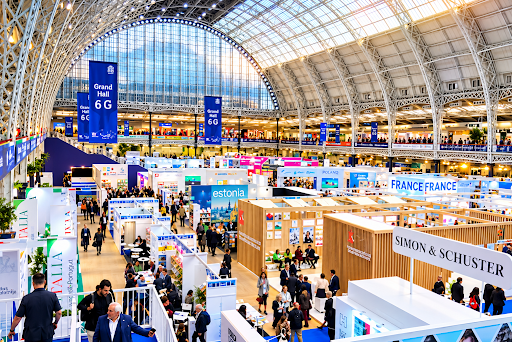
In an era dominated by digital transformation, many assumed the traditional trade show would become obsolete. However, data suggests the exact opposite for high-level enterprise commerce. Face-to-face engagements continue to secure the highest conversion rates for complex corporate transactions.
For B2B Marketing Directors and Event Managers, the focus has shifted from mere attendance to executing immersive experiential marketing campaigns. Establishing a commanding presence at global exhibitions requires a careful blend of innovative design, rigorous logistics, and data-driven follow-up strategies.
Organizations can no longer rely on standard pop-up banners and brochures to stand out. Today’s sophisticated buyers expect to engage with a brand’s ecosystem in a meaningful, multisensory way.
Why Physical Exhibitions Still Dominate B2B Sales
The digital ecosystem is saturated, making it increasingly difficult for brands to capture undivided buyer attention. Physical exhibitions disrupt this noise by facilitating tangible, high-value interactions.
Research indicates that a brand’s physical presence at an exhibition directly influences buyer trust and perceived industry authority. To maintain brand consistency without straining internal resources, many global enterprises rely on turnkey trade show booth solutions that handle the end-to-end process—from initial 3D rendering and graphic printing to on-site dismantling. This integrated approach minimizes logistical friction and allows corporate teams to focus exclusively on relationship-building. For seamless execution, partnering with a comprehensive provider like Aplus Expo ensures that sales teams can prioritize negotiations rather than operational troubleshooting.
When decision-makers can interact directly with products and personnel, the sales cycle compresses significantly. Lead generation in a physical setting allows for real-time objection handling and immediate rapport building.
- High-Intent Buyers: Trade shows naturally filter for highly qualified prospects actively seeking solutions, reducing the time spent qualifying leads.
- Accelerated Trust: Face-to-face dialogue builds a foundation of credibility that cold emails and virtual meetings simply cannot replicate.
- Real-Time Product Validation: Physical interactions allow buyers to touch, see, and experience the product, immediately validating marketing claims.
- Competitive Intelligence: Exhibitions offer real-time insights into competitor positioning, emerging industry trends, and shifts in buyer sentiment.
B2B sales thrive on trust, and trust is built through human connection. A well-executed exhibition booth acts as a physical manifestation of a company’s market stability and commitment to its customer base.
Key Elements of a High-Converting Exhibition Space
A successful trade show presence relies on more than just a visually appealing backdrop. The booth must operate as a highly calibrated machine designed for maximum engagement and lead capture.
The modern exhibition space must balance aesthetic appeal with functional design. Every square foot of the booth should serve a specific strategic purpose, guiding the visitor from initial curiosity to deep technical engagement.
Spatial Flow and 3D Conceptualization
The architecture of your booth dictates how attendees interact with your brand. Poor spatial flow can create bottlenecks or dead zones, driving potential clients away before they even engage.
Pre-show 3D rendering is an essential step in modern booth design. It allows event managers to visualize the journey of an attendee and strategically place focal points, meeting areas, and product displays.
- Optimized Navigation: Ensuring open entryways that naturally invite foot traffic and prevent crowding at the perimeter.
- Strategic Zoning: Separating high-energy interactive demonstration areas from quiet, semi-private consultation spaces.
- Predictive Modeling: Using digital twins and architectural software to eliminate structural dead zones.
- Brand Consistency: Guaranteeing that the physical layout accurately reflects the corporate identity and brand hierarchy.
A meticulously planned floor layout ensures that high-value prospects are seamlessly guided toward sales representatives. It prevents the chaotic bottlenecks that often plague poorly designed enterprise booths.
Interactive Technology and Audiovisuals
Static displays are no longer sufficient to captivate sophisticated B2B audiences. Integrating dynamic technology transforms a conventional booth into an immersive brand ecosystem.
High-resolution LED screens, projection mapping, and professional AV equipment can communicate complex value propositions instantly. This multisensory approach commands attention and significantly increases dwell time.
- Immersive Presentations: Using massive LED walls for impactful, large-scale product demonstrations and corporate storytelling.
- Interactive Kiosks: Allowing attendees to explore software interfaces, navigate catalogs, or view product specs at their own pace.
- Augmented Reality (AR): Offering digital overlays that explain the internal mechanics of large physical products or industrial machinery.
- Real-Time Data Visualization: Displaying live metrics, user statistics, or dynamic case studies to validate claims instantly.
When technology is seamlessly integrated into the booth structure, it acts as a silent salesperson, pre-qualifying leads before a human representative steps in.
Overcoming Logistical Hurdles in International Expos
Expanding a brand’s footprint into international markets introduces a complex web of logistical challenges. From unpredictable shipping delays to stringent local labor regulations, the risks are substantial.
Exhibiting in major hubs like Las Vegas, Frankfurt, or Dubai requires navigating complex union labor rules and strict venue compliance standards. Mismanaging these details can result in exorbitant fees, legal liabilities, or compromised booth installations.
Centralized project management is the most effective strategy for mitigating these international risks. By consolidating vendor relationships, brands ensure consistent execution regardless of geographical barriers.
- Navigating Union Rules: Working with localized experts to ensure strict compliance with specific venue labor mandates and union jurisdictions.
- Freight and Storage Management: Utilizing advanced staging and local warehousing to prevent catastrophic cross-border shipping delays.
- Cross-Border Standardization: Maintaining strict brand guidelines and structural quality control across diverse international markets.
- On-Site Crisis Management: Having dedicated project managers available during installation to troubleshoot structural or electrical issues immediately.
By outsourcing these complex logistical hurdles to experienced operational partners, marketing directors protect their event ROI and ensure a stress-free environment for their traveling sales teams.
Measuring Success: Beyond the Badge Scans
The ultimate value of a trade show is determined by the verifiable pipeline it generates, not merely the volume of foot traffic. B2B marketing leaders must shift their focus toward qualitative metrics and rigorous pipeline attribution.
Understanding the true return on investment requires looking past superficial vanity metrics like total badge scans. According to recent studies on B2B event marketing ROI, face-to-face interactions generated at specialized trade shows remain the most effective channel for closing enterprise-level deals, provided the post-event follow-up strategy is meticulously tracked and integrated into the company’s CRM.
A synchronized handover between the event marketing team and the sales department is critical for maximizing event spend. If leads sit dormant for even 48 hours after the exhibition, conversion rates plummet drastically.
- CRM Integration: Automating lead capture directly into CRM platforms for immediate, personalized follow-ups during and after the show.
- Lead Scoring: Grading prospects based on the depth of on-site interaction, budget timeline, and specific product interest.
- Pipeline Velocity Tracking: Measuring how quickly event-generated leads move through the sales funnel compared to standard digital leads.
- Cost Per Acquisition (CPA): Calculating the total cost of the booth, travel, and logistics against the lifetime value of the closed enterprise deals.
By adopting a strict, data-driven approach to post-show analysis, event managers can definitively prove the financial impact of their experiential marketing strategies to executive stakeholders.