Chelsea has always attracted homeowners with high expectations. The streets are lined with period properties that carry serious architectural weight. Georgian townhouses, Victorian terraces, red brick mansion blocks. These homes were built to impress, and the people living in them today still expect that same level of quality when they make changes.
But here’s the reality. Many of these properties haven’t been updated in decades. Layouts feel cramped. Kitchens are too small for how families actually live now. Basements sit unused. And natural light struggles to reach the middle of the house. The bones are beautiful, but the interiors need work. That’s where a good architect comes in. At Extension Architecture, we’ve worked on properties across the Royal Borough of Kensington and Chelsea, helping homeowners unlock the full potential of their homes. If you’re searching for a specialist Chelsea architect who understands conservation areas and high end residential design, this guide covers what you need to know before starting your project.
Why Chelsea Properties Need a Different Approach
You can’t treat a Chelsea townhouse the same way you’d treat a new build in the suburbs. The construction methods are older. The walls are thicker in some places, thinner in others. Floor levels might not be even. And there’s almost always a conservation area or listed building status to think about.
The Royal Borough of Kensington and Chelsea has some of the toughest planning policies in London. They care about materials, proportions, roof profiles, and how new work sits alongside the original building. Get any of these wrong and your planning application gets refused. An architect who works regularly in Chelsea already knows what the council expects. They design with approval in mind from the very first sketch, which saves you months of back and forth.
Rear Extensions That Open Up the Ground Floor
One of the most popular projects in Chelsea is a rear extension. Most period homes have a narrow kitchen at the back with a small window and not much else. By extending into the garden, even by just three or four metres, you can create a completely different living space.
The best schemes use large format glazing to flood the room with light. Frameless glass doors that slide open to connect indoor and outdoor space. Roof lights positioned to catch the afternoon sun. Materials chosen to complement the original brickwork rather than compete with it.
A well designed kitchen extension in Chelsea doesn’t just give you more room. It changes how you use your entire ground floor. Cooking, eating, and living all happen in one generous space. Its the kind of upgrade that makes you wonder why you didn’t do it sooner.
Basement Conversions for Maximum Space
Chelsea basements have become a major trend over the past fifteen years. When you can’t build outwards or upwards, going down is often the only option. A full basement conversion can add an entire floor to your home, giving you space for a cinema room, gym, guest suite, or home office.
But basement projects in Chelsea come with complications. The council has strict policies on construction management plans, traffic logistics, and the impact on neighbouring properties. You’ll need a detailed party wall agreement, a structural engineer, and a builder with experience in this type of work. Its not a project for amateurs.
Your architect should guide you through this process from feasibility right through to completion. They’ll assess whether your property is suitable, design the layout, handle planning submissions, and coordinate with the structural engineer on waterproofing and excavation details.
Loft Conversions and Roof Alterations
Adding a loft conversion in Chelsea requires careful design. Mansard and dormer conversions are common, but the council has specific rules about how they should look from the street. Roof materials, window styles, and the profile of the dormer all need to meet conservation standards.
Done properly though, a loft conversion gives you an extra bedroom or study without eating into your garden space. Its one of the most cost effective ways to add value to a Chelsea property.
Full House Renovations Done Right
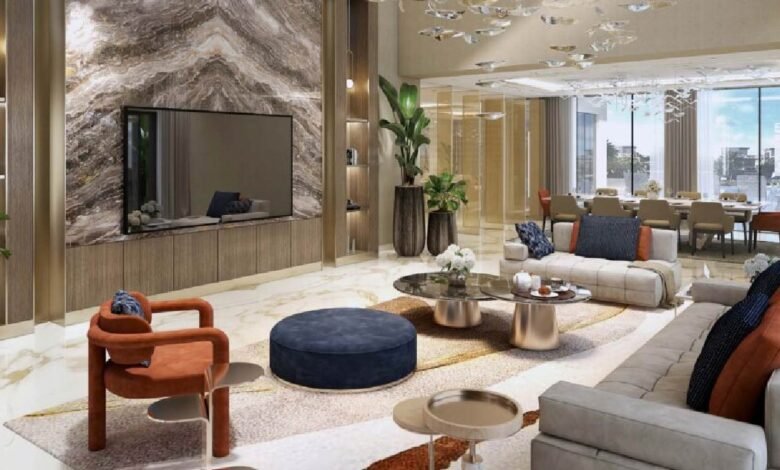
Some Chelsea homeowners want more than just an extension. They want a complete transformation. Strip the house back, reconfigure every floor, upgrade all the services, and put it back together with modern comforts and period charm working side by side.
This kind of project needs an architect who can manage complexity. New heating systems, underfloor warming, smart home wiring, acoustic insulation between floors. All of this has to work within a building that might be 150 years old. It takes experience to get right, and the difference between a good renovation and a great one usually comes down to the quality of the design work.
Getting Started With Your Chelsea Project
Every project starts with a conversation. What do you want to achieve? What’s your budget? What constraints does your property have? From there, your architect develops a design that balances ambition with practicality.
If you’re considering work on a Chelsea property, get professional advice early. The planning landscape here is complex, and the earlier you understand what’s possible, the smoother your project will run. Good design isn’t just about making things look nice. Its about solving problems, adding value, and creating a home that works properly for the people living in it.