Homeowners and commercial enterprise proprietors across the Chesapeake Bay vicinity are rethinking how they power their homes, and solar electricity sits on the middle of that shift. Rising utility fees, extra frequent grid disruptions in the course of storm season, and a developing focus of long-time period belongings cost have pushed neighborhood citizens to look for reliable, self-sufficient electricity alternatives. Chesapeake’s climate, with its generous percentage of sunny days unfold across spring, summer season, and fall, makes it an especially favorable market for solar adoption. Unlike regularly occurring, one-size-fits-all electricity solutions, modern solar structures are engineered for particular roof orientations, shading styles, and power intaneedseach famihomebusiness assets. This localized, everyday-use technique is what separates a virtually powerful solar investment from a poorly matched one. Energy independence is now not a gap way of life preference reserved for early adopters; it has end up a realistic, financially sound decision for households who want predictable month-to-month fees and agencies that need to protect their backside line from application rate volatility. This article walks via what makes Chesapeake’s sun landscape specific, the way to evaluate installation companies, what the numbers really seem like when evaluating solar to traditional grid energy, and how a thoughtfully designed gadget can deliver dependable energy for many years. Whether you’re a first-time homeowner exploring your options or a commercial enterprise owner reviewing operational prices, the sections ahead are constructed to provide you a clear, expert expertise of what electricity independence in Chesapeake definitely seems like in exercise.
Why Local Expertise Matters: Choosing the Right Installation Partner
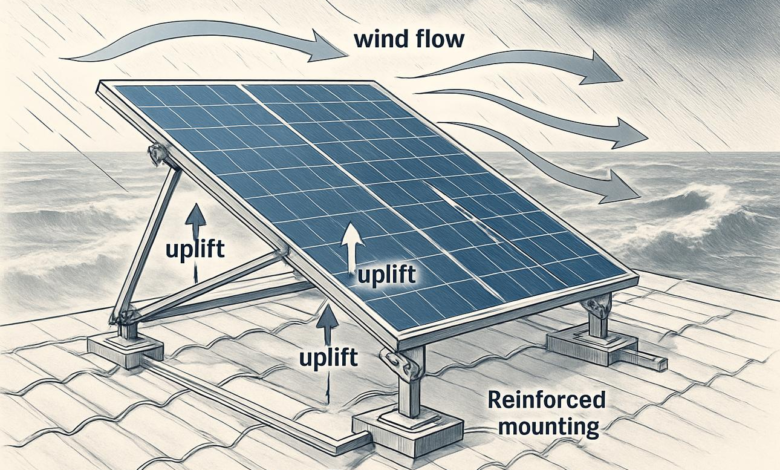
Selecting a provider is arguably the unmarried most essential choice within the whole sun journey, because even top class device underperforms whilst it’s poorly designed or incorrectly installed. This is precisely where Solar Panel Installation Services Chesapeake residents rely upon to make the most important difference, given that neighborhood teams understand local permitting requirements, HOA regulations, tidal-flood building codes, and the specific wind-load standards that coastal Virginia residences should meet. A certified nearby issuer will begin with a complete web page assessment, reviewing roof pitch, shading from mature trees, seasonal sun angles, and present electrical panel capacity, before supplying a proposal. They will also help homeownersavigate net metering agreements with Dominion Energy, ensuring that excess strength generated during peak sunlight hours is nicely credited returned to the account. Beyond the technical assessment, a longtime local agency generally consists of manufacturer certifications, gives workmanship warranties become independent of device warranties, and keeps a physical presence in the community for ongoing maintenance and troubleshooting. This local duty topics distinctly when a system needs a guarantee claim honored five or ten years down the line. Businesses evaluating solar for commercial rooftops or ground-mount arrays ought to observe the identical scrutiny, inquiring for references, checking licensing with the Virginia Department of Professional and Occupational Regulation, and asking for a breakdown of projected manufacturing versus real historical performance from prior installations within the vicinity.
Takeaways:
- Local understanding ensures compliance with Chesapeake’s unique allowing, flood-region, and wind-load codes.
- A proper site assessment evaluates shading, roof circumstances, and panel capability before a decision is made.
- Manufacturer certifications and separate workmanship warranties imply amore reliablee, responsible company.
- Net metering understanding with Dominion Energy directly influences the long-term financial return of a system
Comparing Solar Investment Options
Numbers inform the tale more clearly than marketing claims, so it enables you to look directly at how different system types and financing paths evaluate for an ordinary Chesapeake homeowner. The desk beneath outlines 3 common techniques: a preferred grid-tied system, a grid-tied system with battery backup, and a totally off-grid configuration across the factors most homeowners care about.
| Metric / Specification | Grid-Tied (No Battery) | Grid-Tied + Battery Backup | Fully Off-Grid System |
| Typical Capacity Range | 8 kW – 12 kW | 8 kW – 12 kW + 10–25 kWh ESS | 10 kW – 18 kW + 40–100+ kWh ESS |
| Gross Upfront Cost (Residential) | $16,000 – $22,000 | $24,000 – $34,000 | $35,000 – $50,000+ |
| Net Cost (Post-30% ITC) | $11,200 – $15,400 | $16,800 – $23,800 | $24,500 – $35,000+ |
| Outage Behavior | Shuts down per anti-islanding safety | Sub-second transition to critical loads | Autonomous whole-property microgrid (always live) |
| Economic Valuation Metric | 6 – 8 years (utility bill offset) | 8 – 11 years (bill offset + outage value) | N/A vs. grid; measured against utility line extension quote ($50k–$150k+) |
| Export / Interconnection | Standard net metering / net billing | Standard net metering / net billing | None (isolated island system; zero utility interconnection agreement) |
| Maintenance Complexity | Low (occasional array wash, telemetry check) | Moderate (firmware management, EPS contactor check) | High (generator oil/filter cycling, deep-discharge monitoring, load shedding) |
| Best Suited For | Stable grid, low baseline daytime load | Frequent grid instability, storm resilience | Remote/undeveloped parcels lacking viable grid proximity |
| Core Hardware Stack | PV modules + string/microinverters | PV modules + hybrid inverter + LiFePO4 storage | Oversized PV array + multi-cluster off-grid hybrid inverter + large LiFePO4 bank + auto-start propane/diesel generator |
These figures make clear that oversizing or undersizing a machine directly influences each in advance value and long-term return, reinforcing why a customized design session should always precede a buy selection in preference to following a standard pricing package.
Understanding Equipment Quality and Installer Craftsmanship
The physical hardware at the back of any solar array panels, inverters, racking, and battery additives determines how a lot power a system produces and how long it continues to perform at a excessive level. Panel performance rankings, generally ranging between 18% and 22% for top-class monocrystalline products, immediately have an effect on how much usable electricity a roof can generate within a constrained floor area, which matters appreciably on Chesapeake homes with modest roof space or partial shading from surrounding bushes. Inverter preference is equally consequential; string inverters are cost-effective for easy, unshaded roofs, even as microinverters or electricity optimizers permit every panel to perform independently, which is frequently the higher preference for Chesapeake’s older neighborhoods in which chimneys, dormers, and mature bushes create choppy solar exposure throughout a single roof plane. However, even top-tier components will underperform withoutunique set setupntings, that’s why the credentials and hands-on experience of the Solar Panel Installer assigned to a mission have to be reviewed as carefully as the device specification sheet itself. Proper installation consists of effectively torqued racking connections, weatherproof roof penetrations, as it should be angled panel tilt for the location’s range, and easy electrical connections that meet National Electrical Code standards. Skilled installers also conduct post-setup performance testing, evaluating real-time production data in opposition to modeled projections to affirm the device is functioning as designed from day one, in place of expecting a property owner to notice underperformance months in a while a software bill.
Takeaways:
- Panel efficiency and inverter type must match the unique shading and roof situations of the property.
- Microinverters regularly outperform string inverters on houses with partial shading or complex roof traces.
- Installer craftsmanship, not just the system brand, is a prime element in long-term device performance.
- Post-setup performance testing confirms the system meets its projected output from the start.
Financing, Incentives, and the Real Cost of Ownership
Understanding the proper monetary image of a solar investment requires searching past the sticker price to the layered set of incentives and financing systems available to Virginia assets proprietors. The federal Residential Clean Energy Credit currently allows eligible homeowners to claim a percentage of system value as a tax credit, considerably lowering the effective purchase rate in the yr the system iinstalled. Virginia does not presently impose state income tax on solar equipment purchases in lots of qualifying cases, and local utility rebate programs periodically become available, so homeowners must affirm present-day incentive stacking with a certified tax expert and their chosen installer before finalizing a contract. On the financing facet, options generally fall into three classes: outright cash purchase,, which maximizes long-term financial savings and full incentive eligibility; solar loans, which spread cost over 10–twenty years whilst still allowing homeowners to claim tax credit and maintain complete system ownership; and solar rentals or energy buy agreements, which decrease in advance cost but typically reduce or do away with incentive eligibility and long-term equity in the system. Commercial asseownerss have get right of entry to to extra avenues, including accelerated depreciation schedules under MACRS, which could meaningfully shorten the payback period for commercial installations. A transparent issuer will walk customers through amortized savings projections, showing monthly loan payments in opposition to projected software bill offsets side by side sothe actual month-to-month cash-flowimpact is apparent in preference to buried in positive long-term leases.
Takeaways:
- Federal tax credit and available state exemptions appreciably lessen the effective cost of a solar system.
- Cash purchases and solar loans hold incentive eligibility, while rentals and PPAs normally do not.
- Commercial homes can benefit from increased depreciation, shortening the enterprise payback timeline.
- Always evaluate projected month-to-month savings against loan bills, not just total lifetime savings figures.
Maintenance, Longevity, and Long-Term System Reliability
A solar energy device is a long-term asset, and its overall performance over 20 to 25 years relies closely on ongoing upkeep practices and the reliability of the business enterprise standing behind the installation. Most reputable panels bring a 25-year performance guarantee, making certain a minimum output threshold, typically round eighty five% to 87% of unique ability with the aid of year 25, while inverters normally convey shorter warranties of 10 to 15 years and are the component most in all likelihood to require replacement throughout the system’s lifespan. Routine protection for Chesapeake homes ought to include periodic visual inspections for particles, salt-air corrosion near waterfront properties, and pollen or algae buildup that could lessen panel efficiency if left unaddressed for extended durations. Working with a longtime Solar Installation Company in Chesapeake offers property owners a reliable point of contact for annual inspections, tracking software guidance, and assurance claim help, in preference to being left to coordinate one after the other with a manufacturer, an installer who has on account that gone out of business, or a 3rd-birthday celebration restore technician unfamiliar with the authentic machine design. Many companies now offer far-remote manufacturing monitoring programs through phonegrams, allowing homeowners to track daily output and receive automatic alerts if production drops below expected thresholds, which enables seize problems like a failed inverter or a disconnected panel string before they meaningfully affect an effect on a system’s invoice. This ongoing relationship, greater than any unmarried piece of hardware, is frequently what determines whether a sun funding maintains to deliver robust performance well into its 2d decade of operation.
Takeaways:
- Panel warranties typically guarantee 85–87% output retention after 25 years, while inverters frequently need replacement sooner.
- Coastal houses require additional attention to salt-air corrosion and particle buildup on panels.
- A stable, established local installer presents long-term support that manufacturers alone can’t provide.
- Remote monitoring apps assist in catching overall performance problems early, protecting the system’s long-term output.
Final Thoughts
Energy independence via solar power is now not an experimental improvement for a small segment of environmentally motivated homeowners; it has matured into a mainstream financial and sensible choice for Chesapeake families and corporations alike. The power of solar funding cominvestmentent to 3 interconnected factors: a layout that is nicely matched to the property’s sun exposure and electricity needs; equipment and setup craftsmanship that maximizes overall performance and durability; and a long-term relationship with an insurer capable of supporting the system for many years, instead of disappearing after the final bill is paid. Property proprietors who take the time to evaluate system types, recognize available financing and incentive structures, and vet installers on both technical expertise and neighborhood duty consistently turn out to be with systems that perform towards projections and deliver greater predictable financial savings. As software prices keep their upward fashion andtrende climate occasions region extra stress on the regional grid, the case for locally installed solar structures in Chesapeake will only keep to bolster. The selection in the long run rests on treating solar not as a single transaction, howebutan extended-time period infrastructure investment deserving the same diligence as every other important asset development.
Frequently Asked Questions
- How an awful lot can a regular Chesapeake property owner shop via switching to sun? Savings range by household length and device layout, however maximum owners see software invoice reductions of 70% to one hundred%, relying on system sizing and whether or not battery backup is blanketed, with complete payback normally finished inside 6 to 11 years.
- Does sun nonetheless paintings properly on cloudy or rainy days common in coastal Virginia?
Yes, panels continue generating strengenergyercast situations, though at reduced output as compared to direct sunlight; a properly sized device money owed for the area’s annual cloud cover when calculating production. Is battery backup vital for a solar device in Chesapeake?
It isn’t always strictly important; however giventhe region’s susceptibility to hurricanes and severe coastal storms, many assets owners choose battery backup mainly to maintain energy to vital circuits in the course of grid outages.
- How lengthy does a normal residential solar set up take from agreement to activation? Most residential tasks take among 60 and one hundred twenty days from signed contract to the final utility interconnection approval, accounting for permitting, gadget ordering, physical installation, and inspection scheduling.
- What happens to the sun device if I determine to sell my home?
A absolutely owned sun gadget normally will increase property resale fee and transfers with the home; however, homeowners with a rent or strength purchase agreement have to overview transfer terms cautiously, as some agreements require purchaser approval or rent buyout.