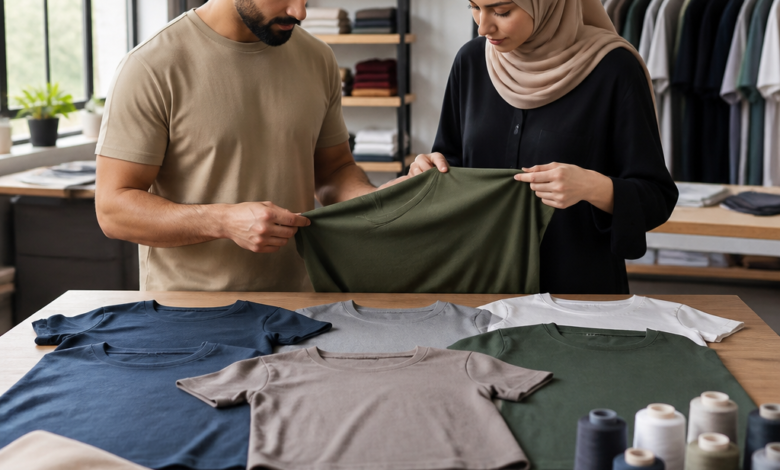
Why the Right T-Shirt Is More Than Just a Wardrobe Basic
The humble t-shirt has evolved far beyond its origins as an undergarment. Today, it sits at the intersection of personal identity, brand expression, and everyday comfort. Whether you are outfitting a team, launching a merchandise line, or simply upgrading your wardrobe staples, the decisions you make around fit, fabric weight, and production quality will define how your shirt looks and feels for years to come. Too many people treat the t-shirt as an afterthought, grabbing whatever is cheapest or most convenient. That approach almost always leads to disappointment — shirts that shrink after the first wash, prints that crack within weeks, or cuts that never quite sit right on the body. Getting it right from the start requires a more deliberate approach.
Understanding Fabric Weight and Its Impact on Wearability
Fabric weight is one of the most underappreciated factors in t-shirt quality. Measured in grams per square meter (GSM), it determines how a shirt drapes, breathes, and holds its shape over time. Lightweight fabrics in the range of 130–150 GSM tend to feel airy and are ideal for warm climates or athletic use, but they can appear sheer and lack durability. Mid-weight options between 160–180 GSM strike a balance between comfort and structure, making them the most popular choice for everyday wear and custom printing. Heavier fabrics above 200 GSM offer a premium, substantial feel that communicates quality the moment someone puts the shirt on.
Cotton vs. Blends: What Works Best for Custom Printing
Pure cotton remains the gold standard for breathability and print adhesion, particularly with screen printing and direct-to-garment (DTG) methods. However, cotton-polyester blends have gained significant ground in recent years due to their resistance to shrinkage and their ability to retain color vibrancy through repeated washing. For custom merchandise or branded apparel, a 50/50 or 60/40 cotton-polyester blend often provides the best of both worlds — softness and durability without sacrificing print quality. Tri-blend fabrics, which incorporate rayon alongside cotton and polyester, add a vintage, lived-in texture that has become particularly popular in lifestyle and streetwear branding.
Getting the Fit Right: Why Sizing Guides Are Essential
Even the highest-quality fabric will fail to impress if the fit is wrong. T-shirt sizing is notoriously inconsistent across brands, which is why consulting a detailed sizing guide before ordering — especially in bulk — is a non-negotiable step. Shoulder seam placement, chest width, body length, and sleeve circumference all vary significantly between manufacturers. A shirt that fits perfectly in one brand’s medium may run two sizes small in another. This is especially critical when ordering custom apparel for groups or events, where you need consistent sizing across a wide range of body types. If you are navigating the sizing landscape for a specific brand, resources like this detailed clothing sizing guide can save you from costly ordering mistakes and returns.
Slim Fit, Regular Fit, and Oversized: Choosing the Right Silhouette
The silhouette of a t-shirt communicates as much as the design printed on it. Slim-fit shirts taper at the waist and sit closer to the body, creating a polished, contemporary look that works well for professional or fashion-forward branding. Regular-fit shirts offer a more relaxed cut that accommodates a wider range of body shapes without appearing boxy. Oversized silhouettes, which have surged in popularity through streetwear culture, create a deliberately casual, fashion-conscious aesthetic. When selecting a silhouette for custom orders, consider your audience and the context in which the shirts will be worn. A slim-fit shirt may look sharp at a corporate event but feel restrictive during an outdoor festival.
The White T-Shirt: A Timeless Standard Worth Getting Right
Among all t-shirt options, the white t-shirt holds a special place in fashion history and everyday wardrobes. It is the most versatile piece of clothing a person can own, capable of being dressed up or down depending on the occasion. However, not all white t-shirts are created equal. Opacity, fabric weight, and cut all determine whether a white shirt looks crisp and intentional or cheap and transparent. For anyone serious about building a wardrobe or a product line around white tees, reviewing expert recommendations on the best white t-shirts available today is a worthwhile starting point before committing to a bulk order or personal purchase.
Fast Shirt Factory: A Reliable Partner for Custom Apparel
When it comes to sourcing high-quality custom t-shirts at scale, working with a manufacturer that understands both production efficiency and garment quality is essential. Fast Shirt Factory has built a reputation for delivering custom apparel that meets the demands of businesses, event organizers, and creative brands alike. Their production process is designed to handle everything from small runs to large-volume orders without compromising on print quality or turnaround time — a combination that is genuinely difficult to find in the custom apparel market.
What Sets Quality Custom Shirt Producers Apart
The difference between a mediocre custom shirt producer and an excellent one comes down to a few key factors: the quality of blank garments they source, the printing technology they use, their quality control processes, and their ability to communicate clearly with clients throughout the production cycle. Producers who cut corners on blank garment quality will always deliver a subpar final product, regardless of how good their printing equipment is. Similarly, producers who use outdated printing methods will struggle to reproduce complex designs with the accuracy and vibrancy that modern branding demands. Asking the right questions before placing an order — about fabric sourcing, print methods, and sample availability — is the mark of an informed buyer.
Printing Methods: Screen Printing, DTG, and Heat Transfer Compared
Each printing method carries its own strengths and limitations. Screen printing remains the most cost-effective option for large runs with simple, bold designs, producing vibrant colors that hold up exceptionally well over time. Direct-to-garment printing excels at reproducing photographic detail and complex color gradients, making it the preferred choice for small runs or designs that would be prohibitively expensive to screen print. Heat transfer printing offers flexibility and speed but tends to be less durable than the other two methods, making it better suited for short-term use or promotional items rather than long-lasting merchandise. Understanding which method aligns with your design complexity, order volume, and budget will help you make a more informed decision when briefing a custom apparel producer.
Conclusion: Invest in Quality from the Start
A well-made t-shirt is not an accident — it is the result of deliberate choices made at every stage of the process, from fabric selection and silhouette to printing method and quality control. Whether you are building a personal wardrobe, launching a brand, or ordering custom shirts for an event, the principles remain the same: prioritize fabric quality, get the fit right, choose the appropriate printing method for your design, and work with a production partner who takes craftsmanship seriously. The t-shirt may be the simplest garment in the wardrobe, but getting it right is anything but simple. Take the time to do it properly, and the results will speak for themselves every time someone puts your shirt on.