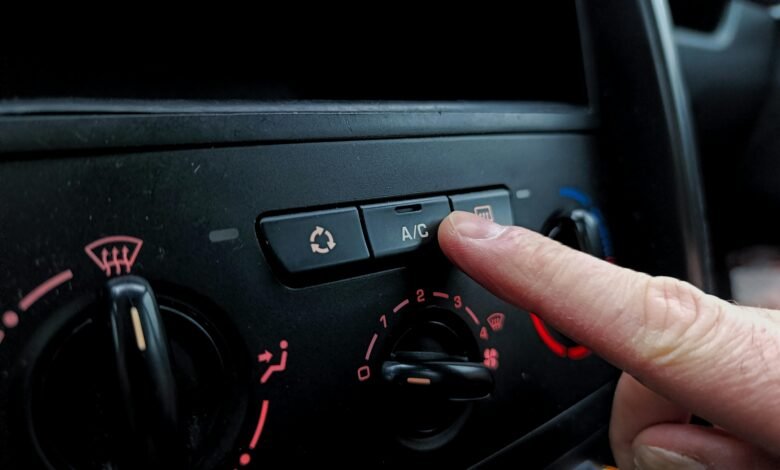
Few vehicle problems become more frustrating during hot summer weather than an air conditioning system that suddenly stops cooling properly. Modern vehicle AC systems are designed to maintain comfortable cabin temperatures even during extreme heat, but many drivers begin experiencing cooling problems gradually as systems age and components wear down over time.
The challenge is that automotive AC systems rely on multiple parts working together under high pressure and constant heat. Refrigerant circulation, pressure regulation, airflow control, and electrical systems all play important roles in maintaining cold air inside the vehicle. When even one smaller component begins failing, overall cooling performance can decline quickly.
Many drivers overlook early warning signs because the system may still produce some cool air initially. However, weak airflow, inconsistent cooling, strange noises, or longer cooling times often indicate problems already beginning to develop inside the AC system.
Summer conditions place even greater stress on vehicle cooling systems. High outside temperatures force AC systems to work harder for longer periods, increasing wear on compressors, valves, hoses, and refrigerant systems.
Preventative maintenance and early inspections help drivers avoid complete AC failure during the hottest times of the year. Catching smaller problems early often prevents much larger repair costs later.
As modern vehicles continue using more advanced climate control systems, proper AC maintenance has become increasingly important for comfort, reliability, and overall driving experience.
Why Cooling Performance Drops Over Time
One of the most common reasons vehicle AC systems lose performance is gradual refrigerant loss. Refrigerant circulates through the system under pressure and absorbs heat from inside the cabin. Even small leaks can reduce cooling efficiency over time.
Many drivers eventually need additional freon for car systems when refrigerant levels become too low to maintain proper cooling performance. However, refrigerant loss itself is usually a sign that leaks or worn seals may already exist somewhere within the system.
As refrigerant pressure drops, drivers often notice weaker cooling, longer cabin cooldown times, or inconsistent air temperatures coming from the vents. In severe cases, the AC system may stop cooling entirely.
Heat and vibration also contribute to AC system wear over time. Rubber seals, hoses, and connectors naturally weaken after years of exposure to engine heat and changing temperatures.
Airflow restrictions are another major cause of declining cooling performance. Components such as the orifice tube help regulate refrigerant flow and pressure throughout the AC system.
If the orifice tube becomes clogged with debris or contamination, refrigerant circulation may become restricted, reducing cooling efficiency and placing additional strain on the compressor.
Compressor wear is another common issue during summer months. AC compressors operate under significant stress while circulating refrigerant continuously during hot weather. Worn compressors may create unusual noises, weak cooling performance, or intermittent operation before complete failure occurs.
Electrical problems can also affect AC performance. Modern climate control systems rely heavily on sensors, relays, switches, and control modules to regulate airflow and cooling temperatures accurately.
Cabin airflow problems may develop as blower motors weaken or air passages become restricted by dirt and debris. Weak airflow often makes the AC system feel less effective even if refrigerant levels remain adequate.
Another overlooked issue is condenser blockage. Dirt, bugs, and road debris can restrict airflow across the condenser, reducing the system’s ability to release heat properly.
AC systems naturally become less efficient as components age, making routine inspections and maintenance important for preserving reliable summer cooling performance.
Small AC Components That Cause Big Issues
Many drivers assume major AC failures always involve expensive compressors or complete system replacements, but smaller components often create some of the most common cooling problems.
Seals, valves, switches, and connectors all play important roles in maintaining pressure and refrigerant circulation throughout the system. Even small leaks or restrictions can significantly reduce cooling performance during hot weather.
Pressure regulation components are especially important because modern AC systems rely heavily on balanced refrigerant flow. Small restrictions may eventually cause pressure imbalances that strain the compressor and reduce cooling efficiency.
Moisture contamination also creates major long-term problems inside AC systems. If moisture enters the refrigerant system, internal corrosion and blockages may gradually develop.
Another overlooked issue involves drainage systems. AC systems naturally create condensation while cooling cabin air. If drain passages become clogged, excess moisture may leak inside the vehicle or create mold and odor problems.
Drivers also frequently overlook visibility-related maintenance connected to summer driving conditions. Components such as the washer fluid reservoir help maintain windshield cleaning systems that become especially important during summer storms, road dust, and bug buildup.
Weak blower motors and failing cabin fans can also reduce airflow significantly even if refrigerant levels remain correct. Drivers may mistakenly assume the AC system itself is failing when airflow problems are actually reducing cooling effectiveness.
Electrical sensors and temperature controls are another common issue in modern vehicles. Faulty sensors may cause inconsistent temperatures, cycling problems, or improper compressor operation.
Routine inspections help identify many of these smaller issues before they affect larger AC components. Replacing worn seals, correcting leaks, and maintaining airflow systems often helps preserve long-term cooling performance while avoiding major repairs later.
Preventative maintenance also helps improve system efficiency during peak summer temperatures when AC systems experience the highest stress levels.
Most importantly, addressing small AC problems early usually costs far less than waiting until complete system failure occurs during extreme heat conditions.
Conclusion
Vehicle AC systems face significant stress during summer months, and many cooling problems begin with smaller issues that gradually worsen over time.
Refrigerant leaks, airflow restrictions, clogged orifice tubes, worn seals, and weak electrical components all contribute to declining cooling performance if left unresolved for too long.
At the same time, smaller maintenance items and preventative inspections often help drivers avoid major AC repairs while maintaining more reliable cooling during hot weather.
Drivers who stay proactive with AC system maintenance usually experience better comfort, stronger cooling performance, and fewer unexpected failures during the hottest parts of the year.