We’ve all been there. A piece looks stunning in a photo, you buy it, and when it arrives it somehow falls flat. The magic just isn’t there in person.
It’s not your imagination. Clothes really can look dramatically better on Instagram than in real life, and there are concrete reasons why.
Here’s what’s actually happening, and how to shop smarter because of it.
The Camera Is Doing a Lot of Work
A photo is a single, carefully controlled moment. Lighting, angle, and editing all conspire to flatter the garment in ways everyday life never does.
Professional or influencer images use perfect light, the most flattering pose, and dozens of takes to find the one that works. Real life offers none of that staging.
What you see online is the garment at its absolute best, not its average.
Editing Changes Everything
Beyond good lighting, most fashion images are edited. Colours are boosted, fabrics are smoothed, and flaws are quietly erased.
A top might look richly coloured and crisply textured on screen, then arrive looking duller and flimsier. The pixels were polished; the product wasn’t.
This gap between edited image and physical item catches out even experienced shoppers.
What the Photo Hides
Certain qualities simply don’t survive the journey from screen to wardrobe. Watch for these, because they’re where disappointment usually hides:
- Fabric quality. A screen can’t convey thin, scratchy, or cheap-feeling material.
- True colour. Screens and filters distort shades, so the real tone often differs.
- Drape and movement. A still image can’t show how a fabric hangs or moves on a body.
- Fit and structure. Clever styling and clips hide how a piece actually sits.
- Finish and detail. Loose threads and rough seams never make the final photo.
Fit and Fabric Win in Real Life
Online, styling tricks rule. In person, fit and fabric are everything, and they’re exactly what photos struggle to capture.
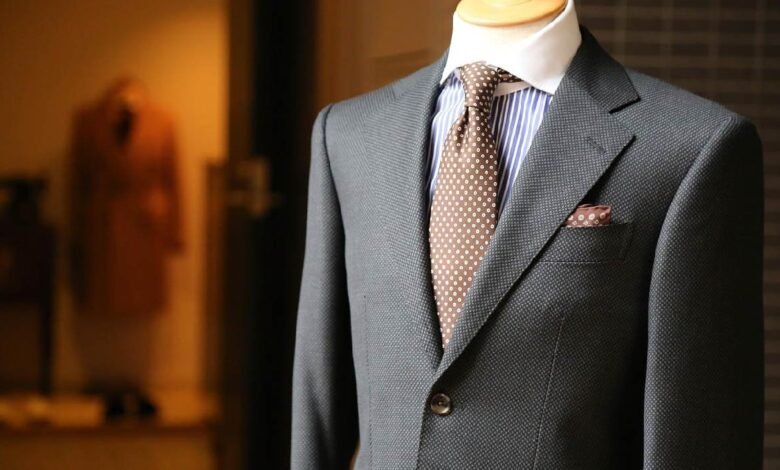
This is why classic, well-constructed pieces tend to disappoint less. A properly tailored suit, for instance, relies on cut and cloth that look as good in person as on camera, because there’s no filter doing the heavy lifting.
Buy for substance, and the screen-to-reality gap shrinks.
How to Shop Smarter
You can protect yourself from photo-fuelled disappointment with a few habits. They make a real difference.
Look for reviews with customer photos, check fabric composition, and read the return policy before buying. The principles of honest, trustworthy presentation matter here, and research on how visuals shape perception shows just how powerfully imagery influences what we expect.
A little scepticism online saves a lot of regret later.
The Bottom Line
Clothes look better on Instagram because photography and editing are designed to flatter, while fit and fabric are what truly matter in person.
Shop for substance over styling, scrutinise the details photos can’t show, and you’ll close the gap between what you see and what you actually wear.