500 Lumen Bike Light vs USB Rechargeable Bike Light: A Practical Guide for Safer Night Cycling

Introduction
Cycling after sunset can be enjoyable, but good visibility should always be a priority. A reliable front light helps you see the road while also making you easier for drivers, pedestrians, and other cyclists to notice. With so many cycling lights available today, choosing the right one can sometimes feel confusing.
A 500 lumen bike light is a popular option for riders who want a useful balance between brightness, battery life, and size. At the same time, a USB rechargeable bike light can make regular cycling more convenient because it can be charged without constantly replacing batteries.
Understanding how brightness, charging, beam design, battery life, and mounting options work together can help cyclists choose a light that suits their riding habits.
What Does 500 Lumens Mean?
Lumens are used to describe the total amount of visible light produced by a light source. Therefore, a 500 lumen bike light can provide considerably more illumination than basic commuter lights with lower lumen ratings.
However, brightness is not the only factor that determines how useful a bike light will be. The beam pattern also matters. A focused beam can direct light farther down the road, while a wider beam can illuminate more of the area around the cyclist.
For urban commuting, a 500-lumen output can provide practical visibility on streets, paths, and roads with limited lighting. Riders should still consider their environment because completely dark roads may require different lighting requirements.
Why Choose a 500 Lumen Bike Light?
A 500 lumen bike light can be a practical middle-ground choice for many cyclists. Extremely bright lights can be useful in certain situations, but they may also consume more battery power and can be unnecessarily intense in well-lit areas.
A 500-lumen model can offer enough output for many everyday rides without becoming excessively large or heavy. This makes it suitable for commuters, recreational cyclists, and riders who occasionally travel after dark.
The ideal brightness also depends on riding speed and surroundings. Someone cycling slowly through a city may need less illumination than a rider traveling quickly on a dark rural road.
Benefits of a USB Rechargeable Bike Light
One of the biggest advantages of a USB rechargeable bike light is convenience. Instead of purchasing and replacing disposable batteries, riders can recharge the light using a compatible USB cable.
This can be especially useful for people who cycle frequently. After a ride, the light can be connected to a charger or another suitable USB power source. Once charged, it is ready for the next journey.
A rechargeable design can also make it easier to maintain a regular cycling routine. Riders do not need to keep spare disposable batteries with them simply because the light has been used several times.
How Battery Life Affects Your Choice
Brightness and battery life are closely connected. Running a light at its highest setting generally uses more energy than operating it at a lower brightness level.
When choosing a USB rechargeable bike light, look beyond the maximum lumen number. Check how long the light operates on each available mode.
For example, a light may offer several settings, including high, medium, low, and flashing modes. This gives cyclists the flexibility to select an appropriate setting for different conditions.
A lower setting may be sufficient on streets with plenty of ambient lighting, while a brighter setting can be useful on darker routes.
Beam Pattern Is Just as Important as Brightness
Two bike lights can have the same lumen rating but provide noticeably different riding experiences. The reason is often the beam pattern.
A good 500 lumen bike light should provide useful illumination without creating unnecessary glare. The light should help the cyclist understand what is ahead while being positioned responsibly toward other road users.
A wider beam can help illuminate the edges of a path. A more focused beam may help riders see farther ahead. The best choice depends on where and how you normally ride.
Why USB Charging Is Useful for Commuters
Daily commuters often appreciate the convenience of a USB rechargeable bike light. Cycling to work several days a week means the light may need frequent charging.
Rechargeable lights can fit easily into an existing routine. A rider can charge the light at home after an evening ride and have it ready for the following morning.
Some models may also include battery indicators that show when the remaining charge is getting low. This can reduce the chances of starting a ride with an unexpectedly empty battery.
Mounting and Portability Matter
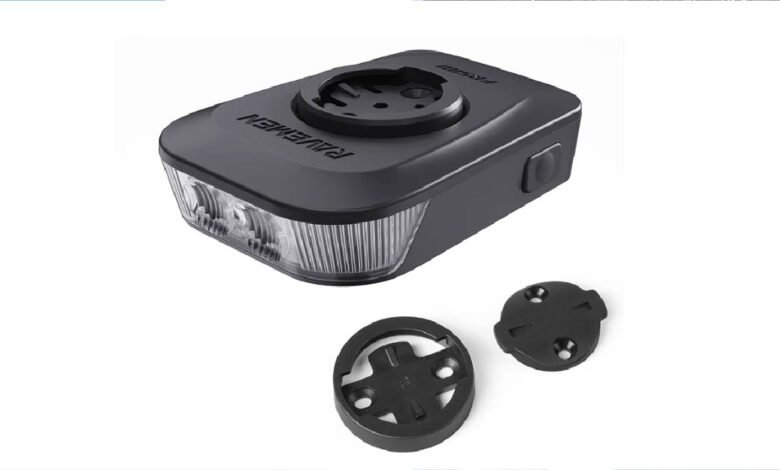
A powerful light is not very useful if it is difficult to attach securely to a bicycle. When choosing a 500 lumen bike light, pay attention to the mounting system.
The mount should hold the light firmly while riding over normal bumps and uneven surfaces. At the same time, it should ideally be easy to remove when you leave your bicycle unattended.
Portability is another advantage. A compact light can be easier to carry in a backpack, cycling bag, or pocket when it is not mounted on the bike.
Weather Resistance for Everyday Riding
Cyclists cannot always predict the weather. Even if you normally ride in dry conditions, unexpected rain can occur during a journey.
When buying a USB rechargeable bike light, check its weather-resistance rating and manufacturer specifications. A suitable level of protection can help the light handle moisture during everyday cycling.
However, weather resistance does not necessarily mean a device should be submerged in water. Always follow the manufacturer’s care and charging instructions.
Choosing the Right Light for Your Riding Style
The right bicycle light depends on your individual needs. A city commuter may prioritize battery life, compact design, and multiple brightness modes. A recreational rider may place greater importance on beam distance and visibility.
A 500 lumen bike light can be a versatile option for riders who want a balance between useful brightness and everyday practicality.
Meanwhile, a USB rechargeable bike light is particularly convenient for cyclists who ride regularly and prefer rechargeable equipment.
In many cases, these features can exist in the same product. A rechargeable 500-lumen light can provide both useful illumination and convenient charging.
Final Thoughts
Choosing a bicycle light does not have to be complicated. Instead of focusing only on the highest brightness number, consider the complete package, including beam pattern, battery life, charging method, mounting system, portability, and weather resistance.
A 500 lumen bike light can provide a practical level of illumination for many everyday cycling situations. Pairing that brightness with a USB rechargeable bike light design can make regular use even more convenient.
Ultimately, the best light is one that matches your routes, riding habits, and visibility needs. By considering these factors before purchasing, cyclists can find a dependable lighting solution that makes their evening and early-morning rides more practical and comfortable.