Why Tankless Water Heaters Are Changing the Future of Modern Home Comfort

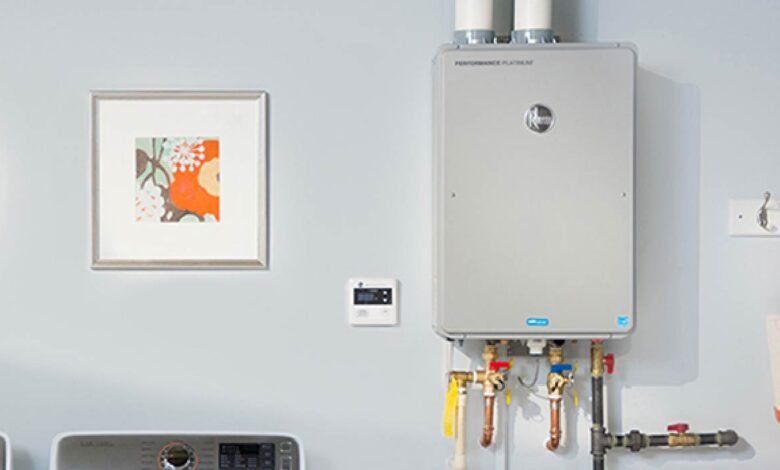
Hot water is one of the most essential requirements in every modern household. From bathing and cleaning to cooking and laundry, people rely on a steady and efficient supply of hot water throughout the day. For many years, traditional storage water heaters remained the standard choice for residential properties because they provided a simple way to store and heat water for daily use. However, as energy costs continue to rise and homeowners become more focused on efficiency, convenience, and long-term savings, many people are now exploring advanced alternatives that offer better performance and smarter energy management. Among the most significant innovations in modern plumbing technology is the tankless water heater, a system designed to deliver hot water on demand without requiring a large storage tank.
Understanding How Modern Water Heating Systems Work
Traditional water heaters typically operate by storing a large quantity of water inside a tank and continuously heating it to maintain a desired temperature. While this method can provide reliable access to hot water, it also consumes a considerable amount of energy because the system must constantly keep the stored water heated even when no one is using it. This process often results in unnecessary energy consumption and higher monthly utility bills.
Modern on-demand heating systems function differently. Instead of storing heated water inside a tank, these systems heat water only when it is needed. When a faucet, shower, or appliance requiring hot water is activated, cold water travels through a heating mechanism where it is rapidly warmed before reaching the user. This approach eliminates the need for continuous storage heating and significantly improves energy efficiency.
The growing popularity of advanced heating systems reflects changing homeowner priorities. People now seek appliances that combine convenience, lower operating costs, and environmentally responsible performance. As homes become more energy-conscious and technologically advanced, efficient water heating solutions have become an important part of modern household planning.
The Rising Demand for Energy-Efficient Home Appliances
Energy efficiency has become one of the most important considerations for homeowners because utility expenses continue increasing in many parts of the world. Modern consumers are no longer satisfied with appliances that waste electricity, gas, or water during normal operation. Instead, they prefer systems designed to reduce resource consumption while maintaining strong performance and reliability.
Water heating represents a significant portion of household energy usage, especially in larger homes where multiple family members use hot water regularly throughout the day. Conventional storage systems may consume energy continuously even during periods of low demand because they must maintain water temperature inside the tank at all times. This process creates standby heat loss, which contributes to unnecessary operating costs.
One of the main reasons many homeowners now choose a tankless water heater is the potential for improved energy efficiency. Since these systems heat water only when required, they reduce standby energy loss and operate more efficiently in many situations. This can help lower monthly utility bills and contribute to better long-term energy management.
Environmental concerns also play an important role in purchasing decisions today. Homeowners increasingly recognize the value of reducing energy consumption and minimizing environmental impact through smarter household systems. Efficient appliances support sustainability efforts while also providing financial benefits through lower operating costs over time. For homeowners considering a gas-powered tankless water heater, it is also important to consider local fuel costs and availability. Comparing utility options such as Columbia Gas PA can help homeowners better understand their ongoing energy expenses when choosing a water-heating system.
Continuous Hot Water Without Storage Limitations
One of the most common frustrations associated with traditional water heaters is running out of hot water during periods of heavy use. In homes with multiple occupants, simultaneous showers, laundry cycles, and dishwashing activities can quickly deplete the supply of stored hot water inside the tank. Once the tank is empty, users must wait for the system to reheat additional water before hot water becomes available again.
Modern on-demand systems solve this issue by heating water continuously as it flows through the unit. Because water is heated instantly instead of being stored in advance, households can enjoy a more consistent supply of hot water without worrying about exhausting the tank’s capacity. This feature is especially valuable for larger families or homes with high daily water usage.
The ability to provide continuous hot water improves convenience and supports more flexible household routines. Family members no longer need to schedule showers carefully or avoid using multiple appliances simultaneously out of concern for limited hot water availability. This enhanced convenience contributes significantly to overall household comfort and daily efficiency.
Commercial properties also benefit from continuous hot water systems because hotels, restaurants, fitness centers, and office buildings often require dependable access to heated water throughout the day. Reliable performance supports customer satisfaction and operational stability in environments where interruptions can create serious inconvenience.
Space-Saving Design and Modern Installation Benefits
Traditional water heaters often require substantial installation space because of their large storage tanks. In smaller homes, apartments, and compact utility areas, these bulky systems can limit storage capacity and reduce overall space efficiency. As residential designs continue evolving toward more compact and organized layouts, homeowners increasingly value appliances that occupy less room without sacrificing performance.
Modern heating systems are typically much smaller because they do not rely on large storage tanks. Many units can be mounted directly on walls, creating a cleaner and more organized installation environment. This compact design provides greater flexibility during construction and renovation projects while freeing up valuable interior space.
Another reason property owners appreciate the tankless water heater is its adaptability to different architectural layouts. These systems can often be installed closer to areas where hot water is frequently used, reducing the distance water must travel through pipes. Shorter travel distances may improve efficiency and reduce waiting time for hot water delivery.
Compact installation also supports modern interior design preferences by minimizing visible mechanical equipment and improving overall space organization. In urban homes and smaller residential properties where every square foot matters, efficient appliance placement can make a noticeable difference in functionality and convenience.
Long-Term Financial Advantages
Although advanced water heating systems may involve higher initial installation costs compared with traditional storage units, many homeowners view them as valuable long-term investments because of their operational efficiency and extended lifespan. Evaluating water heating systems solely based on purchase price often overlooks the broader financial advantages associated with reduced maintenance and lower energy consumption.
Energy savings remain one of the most significant financial benefits. Since on-demand systems avoid continuous storage heating, they often use less energy over time, particularly in households with moderate daily hot water usage. Lower utility bills can gradually offset the initial installation expense and contribute to long-term household savings.
Durability is another important financial consideration. High-quality systems designed for modern performance standards may last considerably longer than conventional storage heaters when properly maintained. Extended lifespan reduces replacement frequency and helps homeowners avoid recurring installation expenses associated with aging equipment.
Maintenance costs can also differ significantly between system types. Traditional storage tanks may experience corrosion, sediment buildup, and leakage over time, particularly in areas with hard water conditions. Efficient modern systems are often designed to reduce these risks, although regular maintenance remains essential for optimal performance and longevity.
Property value may also benefit from upgraded energy-efficient appliances. Many homebuyers appreciate modern utility systems because they reduce future operating costs and support environmentally responsible living. Updated infrastructure can therefore improve market appeal and strengthen long-term property investment potential.
Environmental Benefits and Sustainable Living
Environmental sustainability has become an increasingly important topic in residential construction and home improvement decisions. Homeowners are more aware than ever of the environmental impact associated with excessive energy consumption and inefficient household systems. As a result, many people actively seek technologies that reduce waste while supporting comfortable living conditions.
Water heating systems contribute significantly to residential energy use, making efficiency improvements particularly valuable from an environmental perspective. Reducing unnecessary energy consumption helps lower greenhouse gas emissions associated with electricity generation and fuel usage. Efficient appliances therefore support broader sustainability goals while also providing economic benefits.
One reason environmentally conscious homeowners prefer a tankless water heater is the reduction in standby heat loss. By heating water only when necessary, these systems help minimize wasted energy and improve overall household efficiency. This approach aligns well with modern sustainable building practices focused on reducing resource consumption.
Some advanced systems are also compatible with renewable energy technologies and smart home management systems. Integration with energy-efficient household infrastructure allows homeowners to optimize resource usage further and create more environmentally responsible living environments.
As governments and industries continue encouraging sustainable construction practices, energy-efficient water heating technologies are expected to become even more common in both residential and commercial developments. The shift toward smarter energy management reflects a broader commitment to environmental responsibility and long-term resource conservation.
Maintenance and Reliability Considerations
Like all household systems, water heaters require regular maintenance to ensure reliable operation and long-term efficiency. Proper maintenance helps prevent unexpected failures, improves safety, and supports consistent performance throughout the system’s lifespan.
Traditional storage water heaters often require maintenance related to sediment accumulation inside the tank. Over time, mineral deposits may reduce heating efficiency, damage internal components, and shorten equipment lifespan. Corrosion and tank leakage can also become serious concerns as systems age.
Modern on-demand systems generally eliminate many storage-related problems because they do not maintain large quantities of heated water inside a tank. However, they still require periodic inspection and cleaning, especially in areas with hard water that may contribute to mineral buildup within heating components.
Professional installation is essential for achieving safe and efficient performance. Proper sizing, ventilation, plumbing configuration, and electrical or gas connections all influence system reliability and operational effectiveness. Homeowners should work with qualified professionals to ensure installation meets safety standards and household requirements.
Routine maintenance schedules vary depending on system design, water quality, and usage levels, but preventive care remains important regardless of the technology used. Regular servicing helps identify potential issues early and supports optimal long-term performance.
Choosing the Right Water Heating System
Selecting the most suitable water heating solution depends on several important factors, including household size, daily water usage, energy availability, budget, and installation requirements. Every property has unique needs, and understanding these requirements helps homeowners make informed decisions that support both comfort and efficiency.
Smaller households with moderate hot water usage may benefit significantly from compact on-demand systems because they can reduce energy consumption while providing reliable performance. Larger homes may require higher-capacity units or multiple systems to ensure consistent hot water availability during peak demand periods.
Climate conditions, plumbing infrastructure, and utility costs should also be considered during the decision-making process. In some situations, installation complexity or energy source availability may influence the most practical solution for a particular property.
Professional consultation can help homeowners evaluate system capacity, efficiency ratings, installation costs, and long-term operating expenses more accurately. Careful planning ensures the selected system delivers reliable performance while aligning with household priorities and financial expectations.
The Future of Residential Water Heating Technology
The future of home technology continues moving toward greater efficiency, automation, and sustainability. Water heating systems are evolving alongside these trends as manufacturers develop smarter, more compact, and more environmentally friendly solutions for modern households.
Advanced temperature controls, remote monitoring features, and integration with smart home systems are becoming increasingly common in modern appliances. These innovations allow homeowners to manage energy usage more effectively while improving convenience and operational efficiency.
Research into sustainable energy solutions is also influencing future tankless water heater technologies. Improved heating mechanisms, enhanced insulation methods, and renewable energy compatibility are expected to shape the next generation of residential utility systems. As efficiency standards continue rising, homeowners will likely have access to even more advanced and environmentally responsible options.
The growing popularity of efficient water heating systems demonstrates a broader shift toward smarter home management and long-term resource conservation. Consumers increasingly value technologies that provide comfort while reducing operational waste and supporting sustainable living practices.
Conclusion
Modern homeowners expect household systems to deliver convenience, reliability, efficiency, and long-term value. Traditional water heaters served households effectively for many years, but changing energy priorities and technological advancements have created demand for more efficient alternatives.
A well-designed tankless water heater offers several important advantages, including reduced energy consumption, continuous hot water availability, compact installation, and long-term cost savings. These systems support modern lifestyles by improving household efficiency while reducing unnecessary energy waste.
As residential technology continues evolving, energy-efficient water heating solutions will likely become even more important in home construction and renovation projects. Homeowners who invest in modern systems today are positioning themselves for improved comfort, lower operating costs, and greater sustainability in the years ahead.